
11 hr 30 min
Val d'Orcia Wine & Medieval Towns Day Trip from Florence
Journey through UNESCO-listed Tuscan valleys with wine tastings in Montalcino and Montepulciano
Reserve
Hand-picked by our editors — only the best 5 experiences from 47 reviewed.
Verified partners for every tour, free cancellation where available, and instant confirmation on every booking.
11 hr 30 min
Journey through UNESCO-listed Tuscan valleys with wine tastings in Montalcino and Montepulciano
Reserve
1 hr
Discover Tuscan winemaking heritage in a medieval village cellar with guided tasting of five prestigious wines
Reserve
12 hr
Journey through UNESCO-listed Tuscan hills to taste Brunello and Vino Nobile wines in Montalcino and Montepulciano
ReservePrices from verified partners. Availability updates in real time at checkout. Free cancellation policies apply where shown.
The landmarks, rooms, and views travelers on this tour remember — all visible on a single visit.
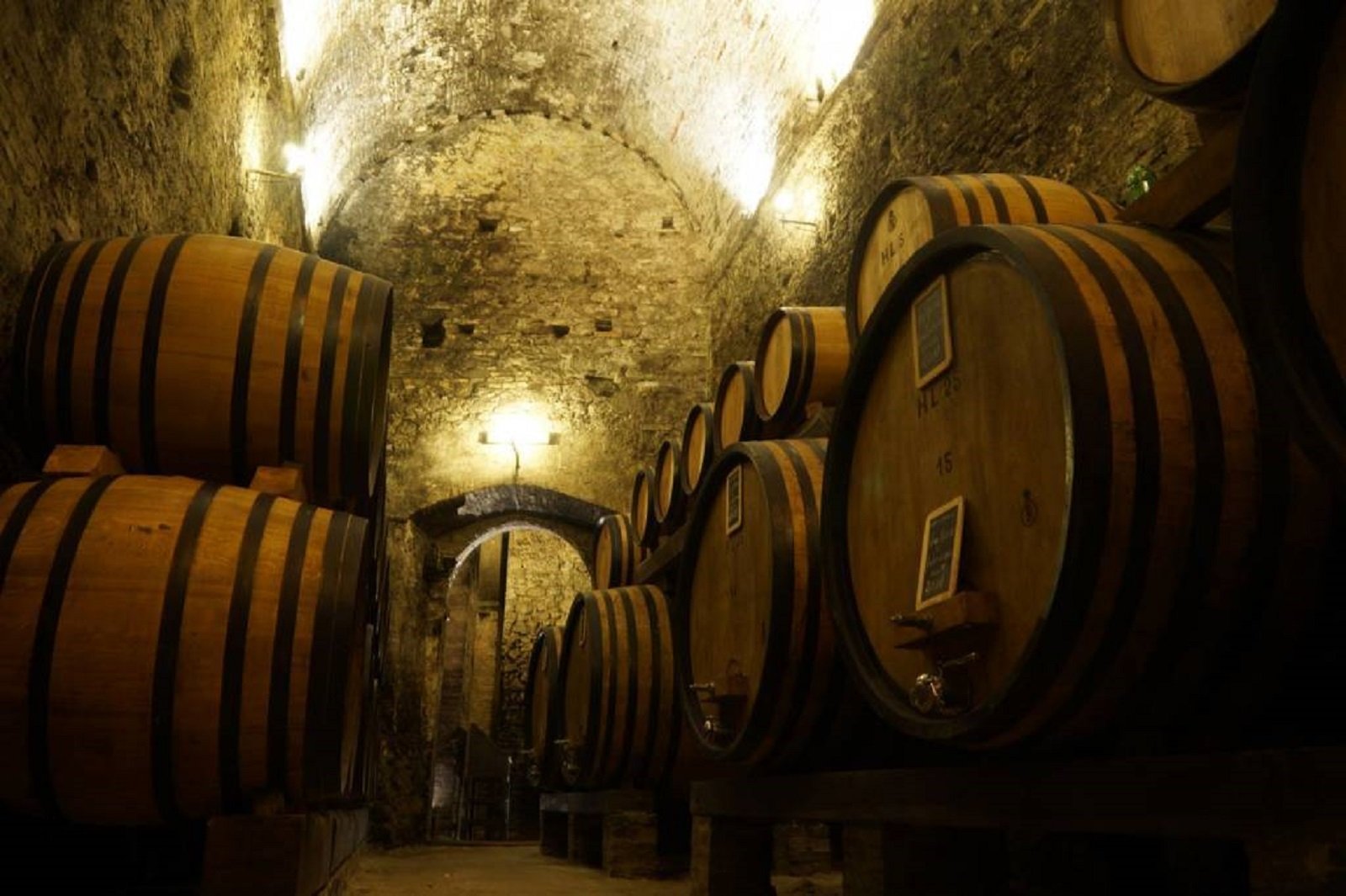
Explore the historic cellars where the famous red wines are aged in oak barrels.
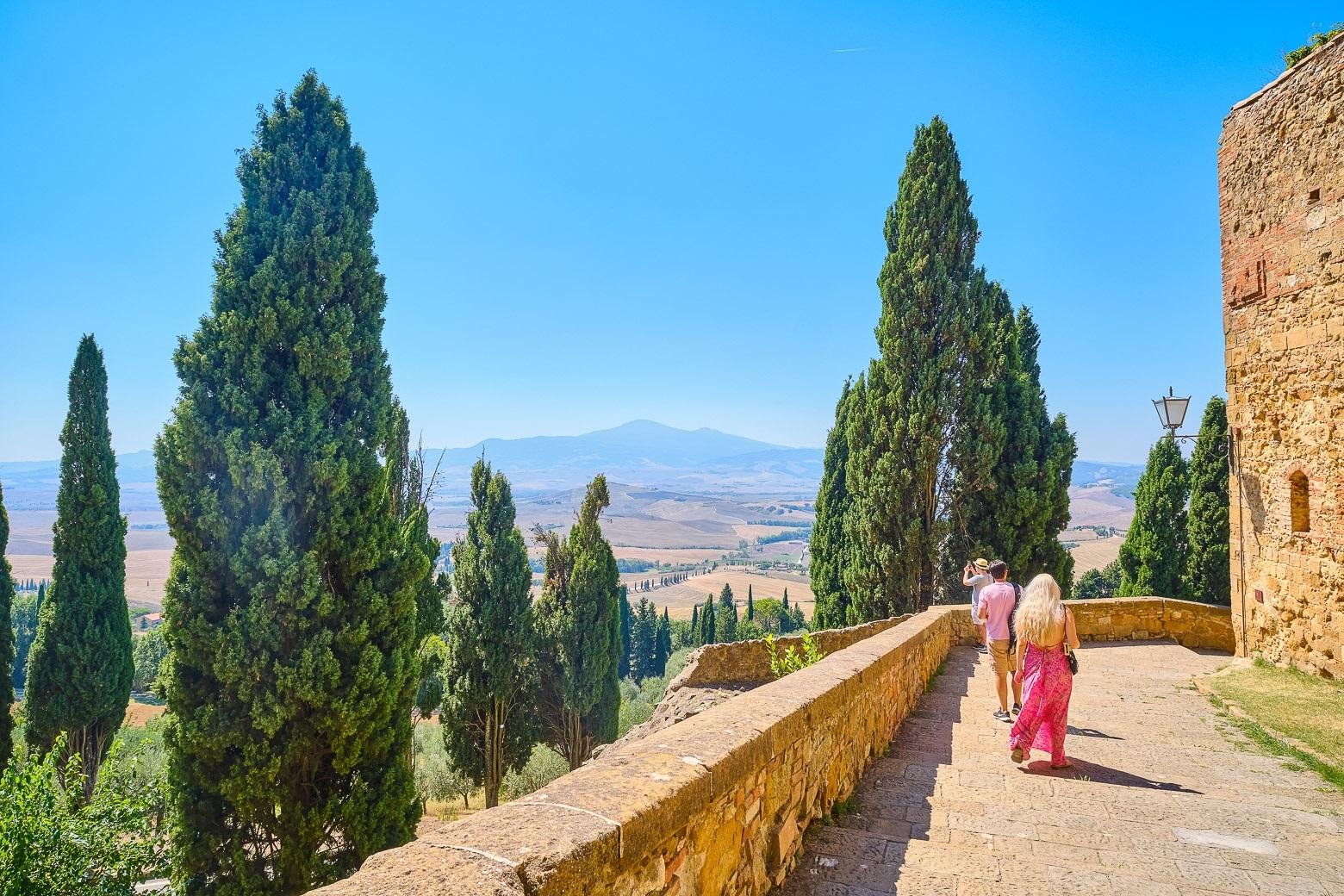
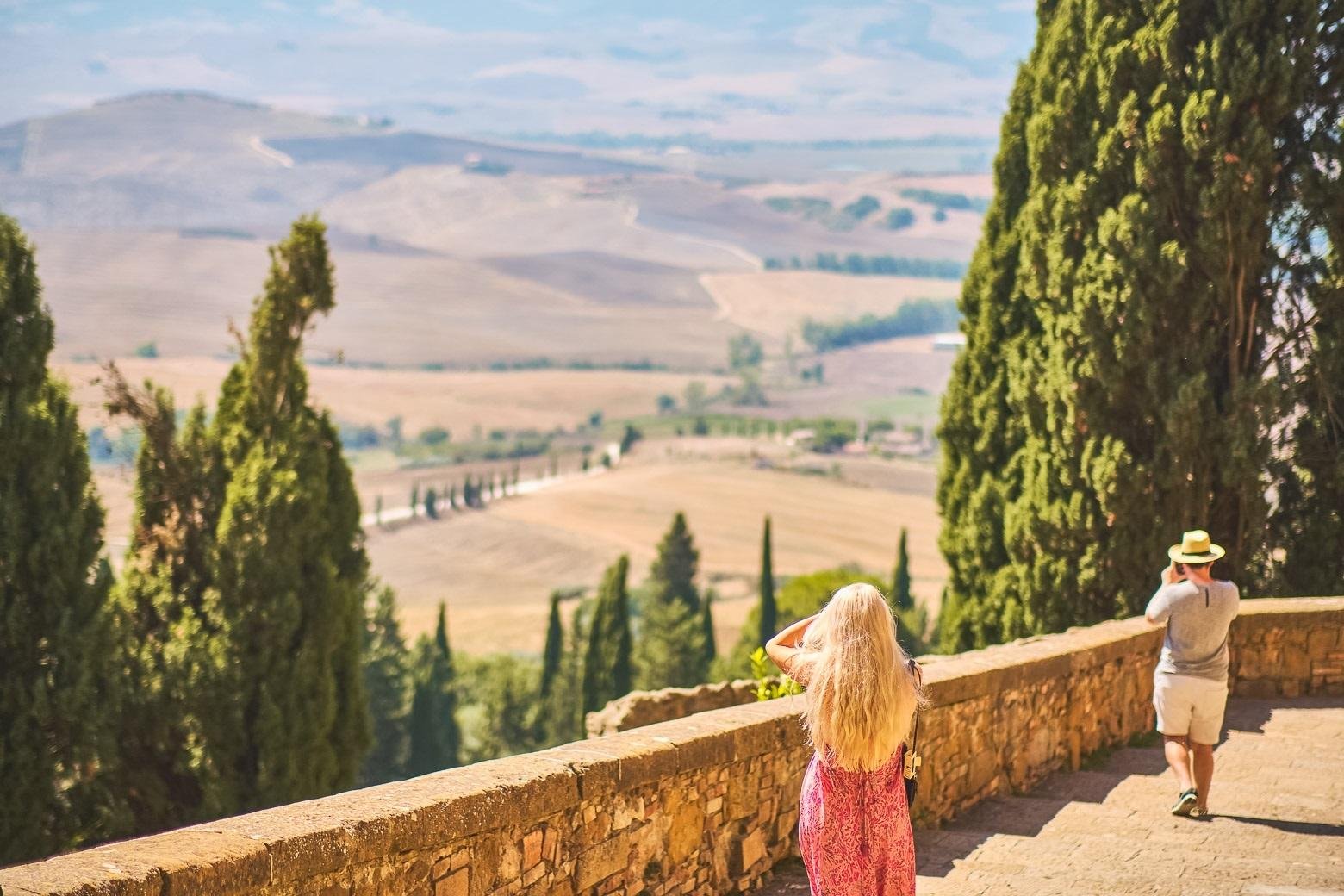
Walk through rows of Sangiovese grapes with views across the rolling Tuscan hills.
Learn about the modern and traditional techniques used during the winemaking process.
Sample premium regional vintages in a setting that showcases local rustic architecture.
Descend into the underground areas where temperature control remains naturally consistent throughout the year.
They complement each other; most visitors who do both call the Val d'Orcia the more serene experience for Sangiovese lovers, while Chianti Classico is the more iconic hub for wine tasting val d'orcia tours.
| Feature | Top pick Val d'Orcia | Chianti Classico |
|---|---|---|
Landscape characteristics |
Rolling hills and clay crete senesi | Forested ridges and vineyard slopes |
Primary grape varieties |
Sangiovese (Brunello and Vino Nobile) | Sangiovese |
Famous town centers |
Pienza and Montalcino | Greve and Castellina in Chianti |
Drive time from Florence |
1.5–2 hours | 45 minutes–1 hour |
Overall vibe |
Rustic and expansive | Traditional and commercial |
Wine tasting val d'orcia tour |
Focus on aged reds | Focus on diverse blends |
| See tickets → |
Verdict: Select the Val d'Orcia for open vistas and structured reds, or prioritize Chianti Classico if you prefer shorter transit and historic wine tasting val d'orcia tickets availability.
Choose your ticket, select your date, and reserve in under two minutes. Secure checkout handled by our verified partner.
Instant confirmation by email, with a mobile voucher you can save offline. No printing, no queuing at a collection desk.
Arrive at the entrance, show your voucher on your phone, and walk in. Most tickets include priority or skip-the-line access.
Practical details for your visit straight from our verified partners — hours, access, rules, and how to get there.
Varies by selection
Check your voucher for exact coordinates.
A private vehicle is the most efficient way to navigate the region for multiple wine tasting val d orcia stops.
Buses are available from Siena to major towns, though local winery access requires walking or private transfers.
Casual and comfortable attire is recommended for moving between vineyards and cellars during a wine tasting val d orcia.
Smaller bags are preferred as storage space in historic barrel rooms can be limited during wine tasting val d orcia tours.
Photography is generally permitted in vineyards and outdoor spaces, though some private cellars restrict flash usage during a wine tasting val d orcia.
Many historic estates in the region feature uneven terrain and stairs, so check specific winery accessibility before scheduling your wine tasting val d orcia.
Mobile phones may be used to capture the landscape, but silence devices during guided wine tasting val d orcia sessions.
While many estates welcome families, wine tasting val d orcia experiences are primarily designed for adults; verify child-friendly policies directly.
Most venues provide locally sourced food pairings alongside wine tasting val d orcia sessions to complement the region's culinary heritage.
Pets are generally discouraged inside production and tasting areas, though some exterior estate grounds may be pet-friendly.
Plan your wine tasting val d orcia route in advance to account for the distances between properties in the Siena province.
Best time to go, insider tips, nearby landmarks, and the cancellation fine print — flip through to skim what matters to you.
How crowds, weather, and events shift across the year.
Mild temperatures and green landscapes create a pleasant atmosphere for exploring the region.
Expect warm days and golden light, ideal for photography during your wine tasting val d orcia.
Harvest season is the busiest time, offering a vibrant view of vineyard activities.
Quieter roads and cooler temperatures provide a peaceful experience for private tasting visits.
Small details that turn a good visit into a great one.
Popular estates require reservations well ahead of your desired date for a wine tasting val d orcia.
Since you will be sampling multiple wines, ensure you have a safe way to travel between vineyards.
Many wineries offer international shipping, saving you the hassle of carrying bottles during your travels.
Non-bookable sights within a short walk — free to visit, easy to pair.
A iconic chapel situated among rolling hills offering quintessential landscape views.
This expansive region is a protected cultural landscape and UNESCO heritage site.
A historic fortress that serves as a stunning vantage point over the vineyards.
Flexible, no hidden fees.
As individual wineries manage bookings for a wine tasting val d orcia tour, cancellation policies vary by provider. Please refer to your specific booking confirmation for refund eligibility.
Hand-picked options within walking distance — pick a district for vibe, or a specific hotel for convenience.
Centrally located for exploring regional wineries.
High-end stays near historic vineyard estates.
Provides easy access to the broader Tuscany area.
Val d'Orcia's clay-rich galestro soils produce some of Italy's most structured red wines, yet the region earned UNESCO World Heritage status in 2004 for its landscape, not its viticulture. The same undulating hills that inspired Renaissance painters now anchor 120 registered wine estates, most clustered around Montalcino and Montepulciano. Brunello di Montalcino, the area's flagship varietal, requires five years of aging before release — a regulation stricter than Barolo or Barbaresco. The 1980s saw international acclaim transform small family cellars into architectural wineries, yet many producers still ferment in concrete vats rather than oak, preserving the mineral edge that defines Sangiovese grown at 200 to 500 metres elevation. The Orcia River valley separates two distinct wine zones. Montalcino's southwest-facing slopes yield Brunello's tannic power, while Montepulciano's volcanic tufa beneath Vino Nobile vines delivers softer tannins and earlier drinking windows. Between them, the Renaissance hamlet of Pienza — rebuilt in 1459 by Pope Pius II — supplies pecorino cheeses that sommeliers pair with young Rosso di Montalcino. Most wine tasting val d'orcia tours depart Florence or Siena, threading cypress-lined roads past Sant'Antimo Abbey and the geometric fields photographer Gianni Berengo Gardin documented in the 1960s. The drive itself is a tasting note: chalk-white clay calanchi badlands signal high-altitude Sangiovese, while oak forests mark cooler microclimates where producers experiment with Merlot and Cabernet blends. Cellar tours reveal centuries-old practices: botti grandi — Slavonian oak casks holding 5,000 litres — line dim corridors beneath medieval fortresses. Fermentation still follows lunar calendars at some estates, and malolactic conversion happens naturally in spring. The tasting ritual is formal: wines are poured in ascending order of age, starting with a two-year Rosso before progressing to a Riserva that may have spent seven years in wood and bottle. Guides explain the 2012 vintage's drought-stressed concentration or 2016's ideal harvest conditions, but rarely discuss pricing. The region's 63 Brunello producers range from four-hectare plots to 150-hectare estates, yet bottle prices converge around €40 to €90 for current releases. Booking a wine tasting val d'orcia experience during weekday mornings avoids weekend coach groups, and September through October offers both harvest activity and the amber light that gilds the hills at golden hour.
"The same undulating hills that inspired Renaissance painters now anchor 120 registered wine estates."
A step-by-step walkthrough of the visit — what you'll see, how long each stage takes, and the details that matter.
You leave Florence or Siena before 9 a.m., watching the Crete Senesi's lunar landscape shift to vineyard geometry as the coach climbs toward Montalcino. Your first stop is a family-run cantina where fermentation tanks occupy a repurposed 14th-century grain silo. The cellar master pours a young Rosso di Montalcino — cherry and tobacco notes, soft tannins — then walks you past numbered barrels to a temperature-controlled room holding Brunello Riserva from 2015. You taste four wines in 40 minutes, each paired with local salami or aged pecorino. The contrast between a two-year and seven-year Sangiovese is immediate: the older wine's leather and dried fig complexity versus the younger's bright acidity. After the tasting, you drive 20 minutes to Pienza, where a multi-course Tuscan lunch spans two hours. Pici pasta with wild boar ragù, bistecca, and cantucci arrive alongside a Vino Nobile from Montepulciano's volcanic slopes. The afternoon visit takes you into a medieval castle cellar — stone arches, botti grandi from the 1800s, and a vertical tasting of three vintages. Your guide explains how 2017's August heat concentrated sugars while 2018's cooler September preserved acidity. You return to your departure city by 6 p.m., the van winding past San Quirico d'Orcia's Horti Leonini gardens as evening light turns the clay hills amber.
Individual wineries set their own hours, but general visits should be planned between 09:00–17:00.
Val d'Orcia is a region; individual wineries set their own tasting fees rather than a blanket entrance fee of 0 EUR.
You should book directly through the winery or official tourism platforms to secure your wine tasting val d orcia.
Accessibility depends on the estate, so confirm with your host before starting your wine tasting val d orcia tour.
Photography is usually welcome, especially of the landscape during your wine tasting val d orcia session.
Autumn is a popular season for a wine tasting val d orcia due to the harvest activities.
Check with the specific estate, as many wine tasting val d orcia experiences are tailored to adult preferences.
Bring comfortable shoes and your confirmation for your wine tasting val d orcia.
Many sessions include pairings, making food a central part of the wine tasting val d orcia experience.